
Common Mistakes to Avoid When Submitting to Academic Journals
If you have given months and years to your work, you would want to take your research paper to an academic journal. Everybody knows that the writing phase is full of hassle, but the next phase is no easier either. No matter how strong your study is, it can face rejection, and your efforts will go down the drain.
The rejection happens because there are some inconsistencies in your research. Or perhaps you are making some major mistakes that are bringing your research down. You may have focused a lot on the content, but failed at meeting requirements and other elements.
This blog is completely dedicated to the common mistakes researchers make while making a submission. But before getting into the journey, let’s take a step back and learn what an academic journal is in the first place.
What is an Academic Journal?
An academic journal is a publication space where scholars and researchers can share their original research, reviews, and academic discussions within a specific field of study. Anyone with credible and authentic research can submit their paper. Later, it goes to the peer review phase. Only if it meets all the academic journal guidelines is it approved.
You can always hire academic mentors or writers to get the job done flawlessly. However, every researcher must know what they are doing wrong. So, let’s learn what common mistake you’re making that’s leading to rejection.
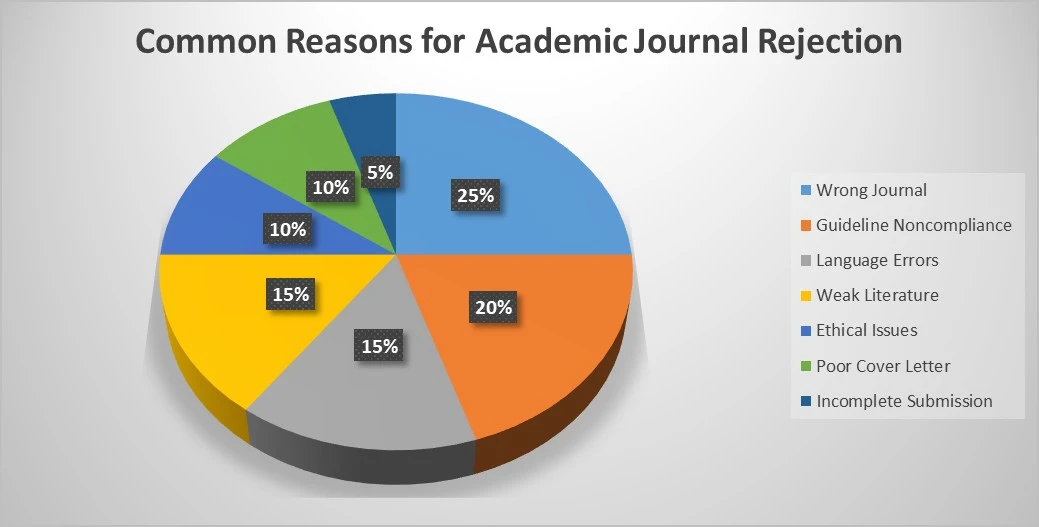
Mistakes That Can Hurt Your Chances of Publication
1. Submitting to the Wrong Journal
One of the most common mistakes that researchers make is choosing the journal. They don’t realise that their research topic must align with the journal’s aim and scope. You may have created a list of academic journals on the basis of their credibility and reputation, but that’s not enough.
Understand this: every journal caters to a specific scope, focus, and readership. If you’re submitting your work to an unsuitable journal, it will automatically lead to refusal. Besides assessing the academic journal’s impact, you must also consider the field it covers.
2. Poor Cover Letter
A cover letter is often a mandatory aspect of your submission. The journal requires a brief cover letter document that covers everything about your study, why it is important, and how it will align with the journal’s scope. Basically, it’s a document that introduces your research to the editor.
If it’s weak, generic, or AI-generated, the chances of rejection are much higher. Since professional academic editors of the journal expect a well-written summary, you must write it carefully. You can make a solid first impression only if your submission is convincing and impactful enough.
3. Language and Grammar Errors
Everybody knows that language errors are a killer to your study’s success, yet it is the most common fault they make. This is because you are watching it through your own lens and not through the perspective of the reviewer. This can affect your writing clarity, and you may end up with a paper that is full of errors.
Remember that you can always go for proofreading and editing services by professionals. Secondly, take help from your colleagues and friends to polish your work. Make your arguments more solid, refine the language, and eliminate grammatical errors.
4. Inadequate Literature Review
If your literature review is weak, you will fail to show how your research fits into the existing studies. Steer clear of outdated or irrelevant sources because they can make your work seem incomplete. Giving that impression to the reviewer can cost you your chance to be accepted by the journal.
Reputable journals expect researchers to submit papers that add value to the platform. If you’re weak at discussing what your study offers or creating an overview of your research topic, you may not impress the reviewer completely.
5. Ignoring Reviewer Expectations
When you submit your paper to the journal, it goes through the tricky phase of review. The editors will check your work and give detailed feedback on how you can improve its quality. Never ignore their comments and respond nicely. Getting defensive can reduce your acceptance chances.
Since journals look for thoughtful revisions, your clear responses will show them you have respectfully made all the required changes. This way, you will leave a better impression on the reviewer.
6. Submitting Without Final Checks
Once the journal is completed, researchers often rush the publishing process because they can’t wait to share their work with the audience. But this urgency has created problems for researchers. When they rush, they fail to refine their work one last time. Since there is a possibility you may have overlooked mistakes, this step is crucial.
Before hiring academic journal publishers, give your work a final review. Don’t hesitate to seek assistance from your friend. This final check ensures that your study is complete, accurate, and high-quality.
What to Do Before Hitting the Submit Button
Now that you know the mistakes researchers make, it is time to focus on how you can overcome them. Here are some things you should do before submitting your paper:
- Make a list of academic journals that are suitable and review their guidelines.
- Proofread your work and check if the references are accurate.
- Ensure that the manuscript, cover letter, and other documents are refined.
- Make the revision according to the comments of the reviewer.
This quick checklist will take your study to a prestigious journal.
Final Words
In the end, it is pretty evident that academic journals expect you to submit more than just a strong research paper. Your study must be in perfect shape, in the correct format, and refined to perfection. Avoid common mistakes such as ignoring grammar, failing to address literature review issues, and poor formatting in the cover letter. Once you stay away from it, researchers will successfully publish their work in the best journals.

Professional writer Melissa Kimberly has for several years been writing well researched analytical pieces for a number of academic websites and journals․ She is a professional contributor to Scope Publications, where she writes specialized and formal academic articles․ Melissa’s work includes critical analysis, creativity and adherence to the conventions of academic writing․ Her current research interests are in academic publishing, research development and editorial practices․ Her work relies on the premise that writing should be accurate, honest, and meaningful․ She explains how her work applies to researchers, scholars, and readers needing good academic writing that is accurate and meaningful․